
50 Properties, 50 Logins, and a Morning Written Off
Manual portfolio management has a hidden cost you can measure in hours, not just pounds.
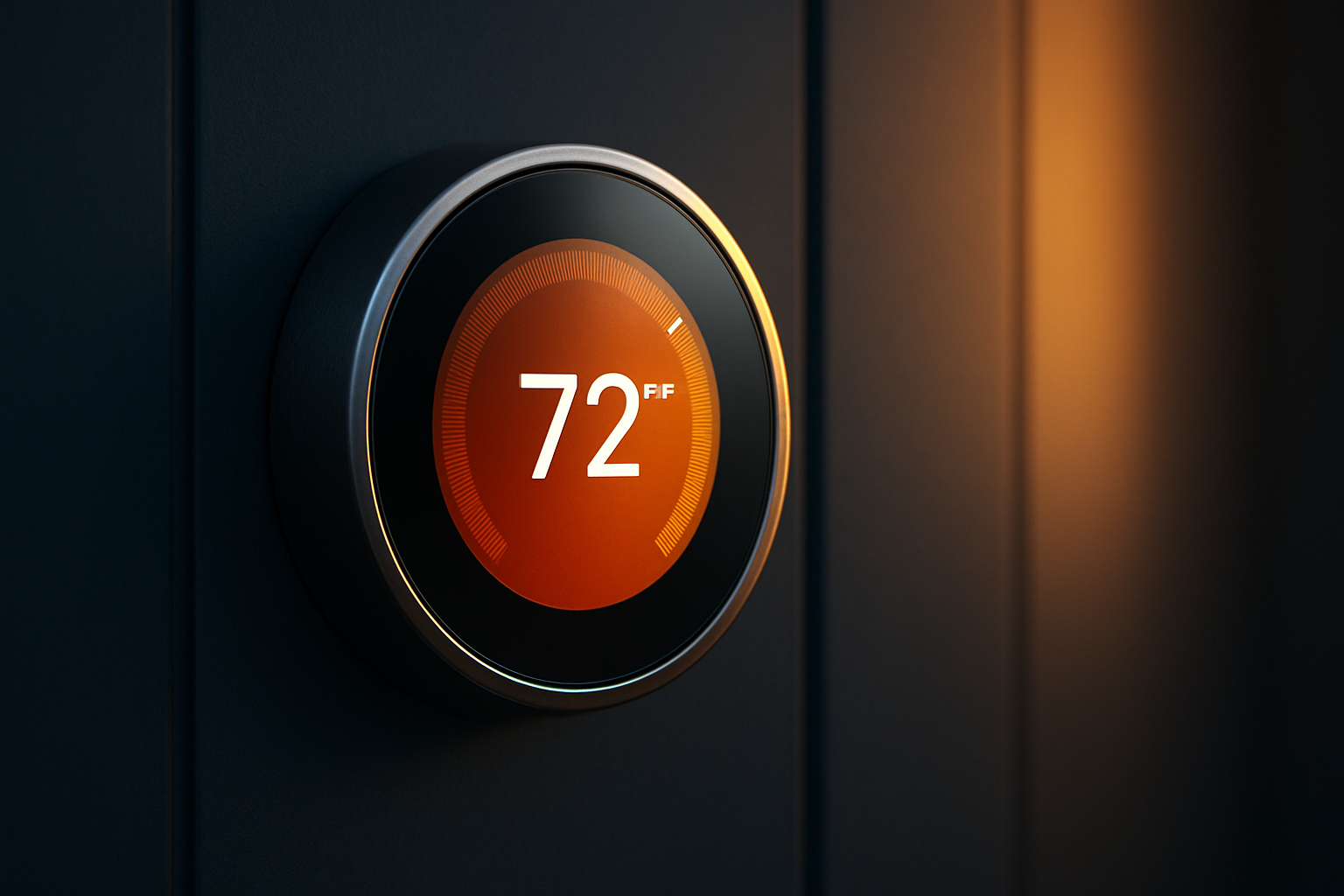
The morning that goes wrong before 9am
Fifty properties. Fifty separate logins. An app that takes five minutes to connect each time you open it.
That is not a workflow. That is three hours of your morning, every time you need to check whether the heating is running across your portfolio. And that is before a single booking issue, a maintenance call, or a guest complaint lands in your inbox.
This is not a hypothetical. Operators managing portfolios at scale have sat with a spreadsheet of credentials, working through property after property, watching a spinner, logging out, logging back in, only to find that the status shown in the app is twenty minutes stale anyway. You cannot run a business that way.
What the manual check actually costs
Take a conservative figure. Thirty properties, each requiring a separate login to verify heating status before a winter weekend. If each login and check takes four minutes — generous, given connectivity issues and slow app loads — that is two hours of active management time. Do that twice a week through November, December, and January, and you have spent roughly 48 hours over three months doing nothing except confirming that radiators are either on or off.
That time has a cost. If your management operation bills at £30 an hour in staff time, that is £1,440 spent on a task that produces no revenue, no guest satisfaction, and no operational improvement. It just keeps the lights on — or in this case, the radiators running when they should not be.
The properties that stay warm when they should not
The other side of the manual check problem is not the time you spend. It is the time you do not spend — and what happens in the gaps.
A property sits vacant for eleven days between a late-October checkout and an early-November check-in. The heating has not been adjusted since the last guest left. If the outgoing guest ran it at 21°C and nobody touched the controller, it has been running at 21°C for eleven days.
At roughly £4 to £6 per day for gas heating in a mid-sized cottage, that is between £44 and £66 of fuel for an empty building. Across ten properties with similar gaps, that is up to £660 in a single month. In a portfolio of fifty, the number scales accordingly.
This is not an edge case. It is a structural problem in manual management. The heating does not know the calendar. It only knows what it was last told.
The frost risk that sits underneath the cost problem
Setback matters for two reasons: cost and protection. They pull in opposite directions if you get the calibration wrong.
Drop a vacant property too low — below 7°C in a poorly insulated building, or in a period of sustained cold — and you risk pipe damage. A burst pipe in January does not cost £66. It costs thousands, plus the loss of booking revenue while the property is taken offline for repairs.
The practical floor for a vacant property in winter is around 10°C to 12°C, depending on the building. Below that, the risk profile changes. Above 18°C in a vacant property, you are spending money with no return.
The window between those two numbers is where calendar-driven control earns its place.
What Alfred does instead
Alfred reads the booking calendar directly. It does not need to be told that a checkout happened or that a check-in is coming. It already knows.
When a booking ends, Alfred moves the property to setback automatically — down to whatever floor temperature makes sense for that building, typically 10°C to 12°C in winter. When the next booking approaches, Alfred brings the property back up to a comfortable arrival temperature before the guest arrives, without anyone logging in, checking an app, or remembering to act.
The operator does nothing. That is the point.
Not nothing in the sense of abdicated responsibility — Alfred can surface alerts when a property deviates from expected behaviour, so problems surface without requiring a manual sweep. But the routine task of turning heating on and off across a portfolio is no longer a morning's work. It runs in the background, against the calendar, without intervention.
The operational shift
The value here is not primarily comfort for guests, although pre-warmed properties on arrival reduce the first-impression complaints that are disproportionately common in winter. The value is operational.
An operator managing 50 properties should not need 50 logins. They should not be spending Monday mornings watching a spinner. They should not be discovering, on a Tuesday, that a property in a gap week has been heating an empty building since the previous Friday.
Calendar-driven climate control does not eliminate all the complexity of running a portfolio. But it removes a specific, repeatable, time-consuming task that adds cost and risk without adding value.
That is a reasonable thing to automate.